|
Microcrystalline Waxes
- Chemically Inert (odorless, tasteless)
- High Melting Point
- High Viscosity
- High Cohesion and Adhesion
- FDA or Technical Grade
IRM
microcrystalline waxes are chemically inert. The ratio of iso-paraffinic
hydrocarbons and naphthenic hydrocarbons is higher for micros
than for paraffin waxes. The elastic and sticky properties of
IRM microcrystalline waxes derive from the high proportion of
branched, iso-paraffins. The waxes have a microscopic, crystalline
structure (hence the name!), and these small crystals provide
increased flexibility compared to paraffins. Crucial differences
between micros result from: crystalline structure & size,
molecular weight, and the iso-parraffin/normal paraffin ratio.
Molecular
weights of the various components range from approximately 580
to 700, implying an average carbon content of 41 to 50 carbon
atoms. IRM microcrystalline waxes are moisture free and range
in color from a white to a brown, depending on the degree of
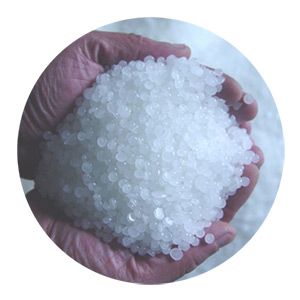
refinement. Highly refined Micros are white. All IRM Micros
are free of odor and taste. Microcrystalline waxes dissolve like paraffin waxes: they’re freely soluble in
chloroform, ether, benzene, carbon disulfide, volatile oils
and many fixed oils. Micros do not dissolve in water and alcohol
and dissolve only slightly in absolute alcohol. IRM microcrystalline
waxes are extremely tough yet are very plastic.
This makes them very ductile and flexible, even at low temperatures; they possess high tensile strength. Micros are highly cohesive; this gives them adhesive properties and makes them resist both water vapor and
water. IRM microcrystalline waxes excellent for laminating, coating, or hardening materials. Other useful properties include: changing from solid to liquid over a narrow
range of temperature; their low viscosity as a liquid immediately
above their melting point; their opalescence in thin films; and
there electrical properties.
Uses for
Microcrystalline Wax
- Base for chewing gum, lipstick, cold creams, ointments
where they harden, lubricate, carry additives, and protect
against moisture
- Food packaging, protecting against moisture through wax
impregnated paper, film, foil, and corrugated board
- Increasing the fluidity and the flexible bonding of hot-melt
adhesives
- Crayons, candles and caulk to sealants and fine polishes
- Host for compounds that prevent rust
- Insulating materials
|